


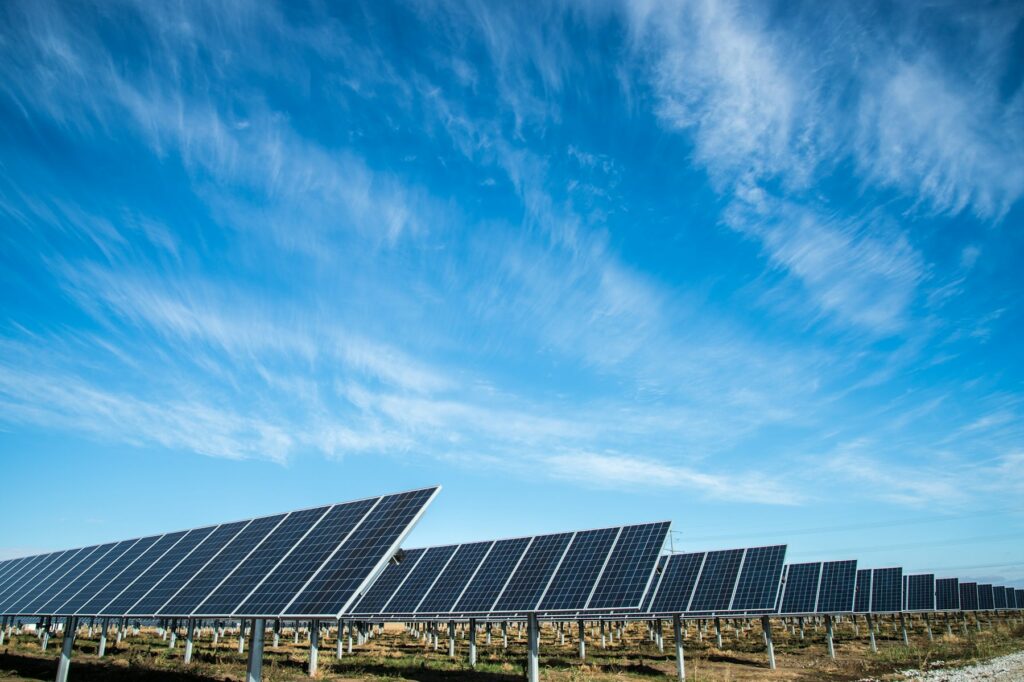
Renewable energy is rapidly emerging as a key solution to Africa’s pressing energy challenges, offering a sustainable path to development and economic growth. With vast natural resources, the continent is poised to harness solar, wind, hydro, and geothermal energy to meet its growing energy demands while mitigating environmental impacts.
Solar Energy
Africa is endowed with abundant solar resources, receiving some of the highest levels of sunlight in the world. This makes solar energy a particularly promising option. Countries like Kenya, South Africa, and Morocco are leading the way with large-scale solar projects. Morocco’s Noor Ouarzazate complex, one of the world’s largest concentrated solar power plants, exemplifies the continent’s potential. Additionally, decentralized solar solutions, such as solar home systems and mini-grids, are bringing electricity to remote and off-grid areas, improving quality of life and economic opportunities.
Wind Energy
Wind energy is also gaining traction, especially in countries with favorable wind conditions. South Africa’s Renewable Energy Independent Power Producer Procurement Programme (REIPPPP) has successfully attracted significant investments in wind energy, contributing to the country’s renewable energy mix. In East Africa, Kenya’s Lake Turkana Wind Power project, the largest in Africa, is a landmark development, providing a substantial portion of the nation’s electricity.
Hydropower and Geothermal Energy
Hydropower has been a longstanding energy source in Africa, with countries like Ethiopia and Zambia leveraging their river systems. Ethiopia’s Grand Renaissance Dam, once fully operational, is expected to be a game-changer for regional power supply. Geothermal energy, particularly in the Great Rift Valley, offers another reliable renewable resource. Kenya leads in this sector, with its Olkaria geothermal plants providing a stable energy supply.
Challenges and Opportunities
Despite the promise, the expansion of renewable energy in Africa faces challenges, including financing, infrastructure, and policy hurdles. However, international partnerships, investments, and technological advancements are gradually overcoming these barriers. Organizations like the African Development Bank are crucial in funding and supporting renewable projects across the continent.
Conclusion
Renewable energy represents a transformative opportunity for Africa, promising to deliver clean, affordable, and reliable power. By capitalizing on its natural resources, Africa can forge a sustainable energy future, fostering economic growth and enhancing the well-being of its populations. As investments and innovations continue to flow, the continent stands on the brink of an energy revolution.